

Brantwood: The home of John Ruskin
What does it take for a place to capture a person’s heart at just eleven years old — and hold onto it for the rest of their life?
For John Ruskin, that place was Coniston Water, and the pull it exerted on him as a boy would eventually draw him back to spend his final 28 years living on its shores at Brantwood.
Perched on the tranquil eastern shores of Coniston Water, Brantwood was the beloved home of John Ruskin — the celebrated Victorian writer, philosopher, art critic and social thinker — for the final 28 years of his life, from 1872 until his death in 1900.
With sweeping views across the lake to the surrounding Lake District fells, it’s easy to understand why Ruskin fell so deeply in love with this special place.
Today, Brantwood is widely regarded as one of the most beautiful and culturally significant historic houses in the Lake District, drawing visitors from around the world who come to explore its stunning gardens, galleries and breathtaking lakeside setting.

At a Glance
- What it is: The former home of John Ruskin — writer, art critic, philosopher and conservationist
- Location: Eastern shore of Coniston Water, off the B5285, half a mile south of Coniston village, Cumbria
- Ruskin lived here: 1872–1900 (28 years, until his death aged 80)
- Estate size: Around 250 acres of gardens, woodland and hillside
- Opening season: Daily, mid-March to mid-November, plus selected winter dates
- How to arrive: By car (free parking) or via the scenic Coniston Launch across the lake
- Highlights: The Turret Room, Ruskin’s art collections, landscaped gardens, lakeside tearoom
- Nearby: Coniston village, Ruskin Museum, Old Man of Coniston, Tarn Hows, Hawkshead
- Nearest holiday base: Kents Bank Holiday Cottage, Grange-over-Sands
A Childhood First Glimpse of the Lakes
Long before Brantwood became his home, Ruskin’s connection to this landscape had already taken root.
In June 1830, aged just eleven, he made his very first journey into the Lake District, later recording the experience in his own diary.
The trip began with two nights at Lowwood, followed by a memorable crossing of Lake Windermere by ferry — a substantial vessel that carried the horses aboard first, tethered at one end, before the carriage itself was carefully wheeled on.
Rain set in as the young Ruskin travelled on towards Coniston, and once settled into their lodgings, the family made the best of things by watching the view from their window over Coniston Water, roughly six miles in length.

The only peak overlooking the lake, the Old Man of Coniston at 2,200 feet, was hidden that day beneath thick mist — a disappointment the party bore, as Ruskin wryly noted, with considerable patience.
It was this very mix of rugged fells and gentle pastoral scenery around Coniston that first stirred something in the boy — a fascination that would eventually draw him back, decades later, to make his permanent home on these same shores.
A Home with a Rich History
Originally built in the early 1800s, Thomas Woodville first owned the house that became Brantwood and later expanded it around 1833.
Over the years, it was home to several creative minds, including artist and social reformer William James Linton and poet Gerald Massey.
In 1871, John Ruskin — already world-famous as an art critic, philosopher, and social reformer — purchased Brantwood, reportedly without ever having seen it.
He moved there from London in 1872, seeking peace, inspiration, and connection with nature, returning at last to the kind of landscape that had captivated him as a boy.
Ruskin’s Life at Brantwood
Ruskin spent the last 28 years of his life at Brantwood.
During that time, he transformed the house and gardens into a reflection of his love for art, nature, and learning.
It was a lifetime of toil, yet he seems to have lived by his own words: “The highest reward for a man’s toil is not what he gets for it, but what he becomes by it.” Every terrace, path and collection at Brantwood bears the mark of that belief.
He filled the rooms with paintings by Turner and Gainsborough, along with collections of minerals, shells, and fine furniture.
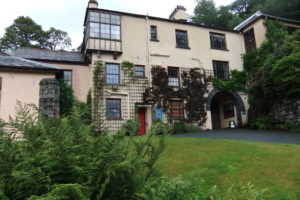
He also expanded the house, adding the famous Turret Room—which offers stunning views across Coniston Water—and built additional structures, including a coach house, lodge, and ice house. The result was a Grade II-listed home that remains one of the most remarkable in the Lake District.
Brantwood Gardens and Estate
Ruskin designed the Brantwood gardens and estate himself, covering around 250 acres of woodland and hillside.
His passion for horticulture and conservation can still be seen in the carefully planned terraces and paths that offer panoramic views of Coniston Water and the Old Man of Coniston.
Visitors today can enjoy peaceful garden walks, explore woodland trails, or join a Brantwood estate tour to learn more about Ruskin’s vision. In Spring the azaleas, rhododendrons and daffodils bloom. When summer arrives, many visitors take the vintage Gondola steamer across the lake for a memorable day out in true Victorian style.
Visiting Brantwood John Ruskin’s House
Inside the house, you’ll find Brantwood Lake District history brought to life through Ruskin’s art, books, and personal treasures.
Each room tells part of his story, from his writing desk to his collections of art and nature. The house retains much of its original character, offering a rare glimpse into Victorian life and thought.

Brantwood also hosts art exhibitions, educational events, and family activities throughout the year.
Additionally, there’s a children’s garden trail during the school holidays.
Don’t miss the Brantwood tearoom and café, which serves local produce with scenic views across Coniston.
Ruskin’s Legacy
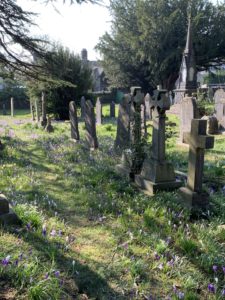
John Ruskin passed away in 1900, aged 80. He was buried in St Andrew’s Churchyard in Coniston, beneath a Celtic cross designed by his friend W.G. Collingwood. The carvings on his gravestone reflect his deep love of art, geology, and nature.
Today, Brantwood remains a place of inspiration, celebrating Ruskin’s legacy as a writer, critic, artist, and reformer who helped shape how we see art and the natural world — a legacy that, fittingly, began with an eleven-year-old’s rain-soaked first glimpse of Coniston Water all those years before.
Plan Your Visit
How to Get There:
Brantwood is located on the eastern shore of Coniston Water, just off the B5285, about half a mile south of Coniston village.
Visitors can arrive by car (with free parking) or enjoy the scenic route via the Coniston Launch, a traditional wooden boat service across the lake.

Opening Times & Tickets:
Brantwood is usually open daily from mid-March to mid-November and on selected days in winter.
Admission includes access to the house, gardens, and exhibitions. Discounts are available for families, students, and seniors.
Things to Do Near Brantwood Coniston:
Explore Coniston village and the Ruskin Museum
Walk the Old Man of Coniston trail
Enjoy tea at the Brantwood café
Take a lake cruise aboard the Gondola
Visit nearby Tarn Hows or Hawkshead for a full Lake District experience
Where to Stay Near Brantwood, Coniston
If you’re looking for a Lake District pet-friendly holiday cottage near Brantwood and Coniston, Kents Bank Holiday Cottage is the perfect choice. Look no further. Call 07785 944194 or enquire here to find your ideal getaway surrounded by the same views that inspired John Ruskin himself.
Frequently Asked Questions (FAQ)
1. What is Brantwood, and why is it important?
Brantwood is the historic home of John Ruskin, located on Coniston Water in the Lake District, Cumbria. It’s a museum and heritage site dedicated to Ruskin’s life, art, and ideas.
2. What can I see and do at Brantwood?
Visitors can tour the house, enjoy Brantwood gardens and estate tours, explore woodland walks, attend exhibitions, and relax in the tearoom overlooking Coniston.
3. How do I get to Brantwood?
By car via the B5285, or by boat using the Coniston Launch from Coniston Pier directly to Brantwood Jetty.
4. When is Brantwood open?
Typically, from March to November, with reduced winter hours. Check the Brantwood website for current opening times and ticket prices.
5. Did John Ruskin build Brantwood?
No. He bought it in 1871 and transformed it, adding new rooms, gardens, and architectural features that reflected his artistic and environmental passions.
In Summary
Brantwood, overlooking Coniston Water, is a must-visit destination for anyone interested in Lake District history, art, and nature.
From an eleven-year-old’s rain-swept first sight of Coniston Water to the home he would later fill with art and ideas for 28 years, Ruskin’s story is woven into this landscape.
Whether you’re exploring the gardens, admiring the art collections, or simply soaking in the peaceful surroundings, Brantwood captures the timeless spirit of the Lake District and the genius of John Ruskin.
How to Book Kents Bank Holiday cottage in Kents Bank, Grange-over-Sands
Booking Kents Bank Holiday Cottage is quick and simple. Just visit our website at kentsbankholiday.co.uk or give us a call at 07785944194. We’re always happy to answer your questions and help you find the perfect dates for your stay.
Our friendly team makes the whole process easy, so you can focus on your relaxing holiday near Cartmel, and the Lake District.