

A Seaside Special – Morecambe Bay
Have you ever stood on the edge of Morecambe Bay and watched the sea disappear?
Morecambe Bay is one of the most remarkable landscapes in northern England.
Twice a day, the tide retreats to reveal vast expanses of sand and mudflats, before the sea slowly returns across the bay.
Situated on England’s north-west coast, just south of the Lake District and in the north of the county of Lancashire, Morecambe Bay is a wonder of the British Isles.
It has formed naturally over the last eighty million years. It was created during an ice age, when glaciers moved from the Pennines and the Lake District hills onto soft rock.
The resulting basin was filled with water from rivers draining off the hills.
The sea spread into the low-lying areas of the bay around 3800 BC, creating what is now the largest intertidal area in Britain.
One of the rivers flowing into Morecambe Bay is the River Lune.
The Lune rises in the fells of Yorkshire and Cumbria.
It flows through the Lune Valley, then through Lancaster, passing St George’s Quay, before opening into the estuary and running out into Morecambe Bay.
Morecambe Bay at a Glance | |
|---|---|
| Location | Northwest England, between North Lancashire and South Cumbria |
| Size | 120 square miles of tidal sands |
| Stretches from | Fleetwood in the south to Walney Island in the north |
| Named on a map | First appeared in The Antiquities of Furness, 1774 |
| Wildlife highlights | Grey seals, internationally important wading birds |
| Best for | Walking, wildlife watching, coastal scenery, family days out |
| See seals | South Walney Nature Reserve (Cumbria Wildlife Trust) |
| Stay nearby | Kents Bank Holiday Cottage, Grange-over-Sands |
Morecambe Bay holiday guide
As mentioned, Morecambe Bay is a remarkable part of the northwest coastline of England.
The title Morecambe Bay was first used towards the end of the 18th century for what had previously been known as ‘Kents Sands’.
It’s 120 square miles of sand sit between North Lancashire and South Cumbria. It stretches between Fleetwood to the south and Walney Island to the north.
It’s 250 years since the words ‘Morecambe Bay’ first appeared on a map published in The Antiquities of Furness in 1774.
But Morecambe Bay is like nowhere else in the country.
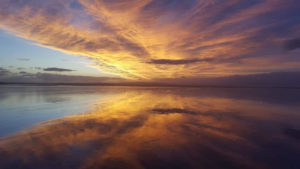
The sands are revealed twice every 24 hours by the outgoing tide, leaving it as invigorating as it is calming, with spectacular natural beauty and fascinating heritage.
The whole Bay Area has a sense and feeling of wonder.
With its intertidal areas, land and seascapes, natural habitats and wildlife, ecology, geology, and naturally occurring attractions, which engage visitors in the natural environment in and around Morecambe Bay.
Its wildlife and birds are of international interest. With a landscape borne of its people and traditions.
It is a much-loved outdoor challenge and a favourite place for all the family.
In generations past, fishermen from around the bay earned their living from the sea and the sands of the bay.
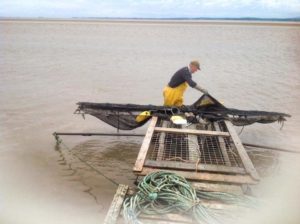
The bay was fished for cockles, shrimps, flukes, and whitebait, all destined for the markets in the industrial towns of Lancashire and Yorkshire.
Morecambe Bay Seals
Did you know that you can see seals in Morecambe Bay?
Seal populations are growing in the Morecambe Bay area thanks to the tireless conservation efforts of many people.
Head to the South Walney Nature Reserve of the Cumbria Wildlife Trust to observe the resident seal population in Morecambe Bay and witness our Great Grey seals.
It is the only place on the bay where they come ashore.
The hide at Lighthouse Bay can provide a great vantage point, with the seals coming closer to the shore as the tide comes in.

Be aware that during pupping season, access restrictions are put in place.
If you are looking for a pet-friendly Morecambe Bay holiday cottage with views over the bay, look no further. Kents Bank Holiday Cottage in Grange-over-Sands is a perfect holiday cottage. Ring 07785944194 or enquire here.
❓ Frequently Asked Questions (FAQ)
1) Where is Morecambe Bay?
Morecambe Bay is on the north-west coast of England, between North Lancashire and South Cumbria. It stretches from the area around Fleetwood in the south to Walney Island in the north.
2) How big is Morecambe Bay?
Morecambe Bay covers approximately 120 square miles and contains one of the largest areas of intertidal sands and mudflats in Britain.
3) What is Morecambe Bay famous for?
Morecambe Bay is famous for its vast tidal sands, beautiful coastal scenery, wildlife, birdlife, historic fishing communities and constantly changing landscape.
4) Can you walk across Morecambe Bay?
Yes, but walking across the bay should only be undertaken as part of an organised and guided crossing. The tides, channels and quicksands can make the bay extremely dangerous for anyone unfamiliar with it.
5) Can you see seals at Morecambe Bay?
Yes. Grey seals can be seen at South Walney Nature Reserve near Barrow-in-Furness. The reserve is home to Cumbria’s only breeding colony of grey seals, and visitors can watch them from designated viewpoints while keeping a safe distance.
6) What wildlife can be seen around Morecambe Bay?
Morecambe Bay is an important habitat for grey seals and many species of birds. Depending on the season, visitors may see wading birds, oystercatchers, eider ducks, terns, peregrines and other coastal wildlife.
7) Is Morecambe Bay safe to visit?
Yes, there are many safe ways to enjoy Morecambe Bay, including coastal walks, promenades, nature reserves and viewpoints. However, the tidal sands themselves can be dangerous because of rapidly changing tides, channels and areas of quicksand.
8) What are the best places to visit around Morecambe Bay?
Popular places to explore include Grange-over-Sands, Morecambe, Arnside, Silverdale, Cartmel, South Walney Nature Reserve and the villages and coastline around the bay.
9) What is the best time to visit Morecambe Bay?
Morecambe Bay can be enjoyed throughout the year. Spring and summer offer longer days and pleasant conditions for walking and wildlife watching, while autumn and winter can bring dramatic skies, beautiful light and impressive coastal scenery.
10) Where is the best ice cream in Morecambe?
If you’re looking for the best ice cream in Morecambe, Brucciani’s is a popular local favourite and a classic seaside stop. It’s a great place to enjoy a sweet treat while exploring the promenade, the beach, or the town centre, and you can read more in Brucciani’s – Scoops of Joy.
11) Where is the best place to stay for exploring Morecambe Bay?
Grange-over-Sands is an excellent base for exploring Morecambe Bay, South Cumbria and the southern Lake District. Kents Bank Holiday Cottage is located near Grange-over-Sands and offers a dog-friendly base for exploring the bay and the surrounding area.
How to Book Kents Bank Holiday Cottage
Booking Kents Bank Holiday Cottage is quick and simple. Just visit our website at kentsbankholiday.co.uk or give us a call on 07785944194. We’re always happy to answer your questions and help you find the perfect dates for your stay. Our friendly team makes the whole process easy, so you can focus on looking forward to your relaxing holiday on Morecambe Bay.