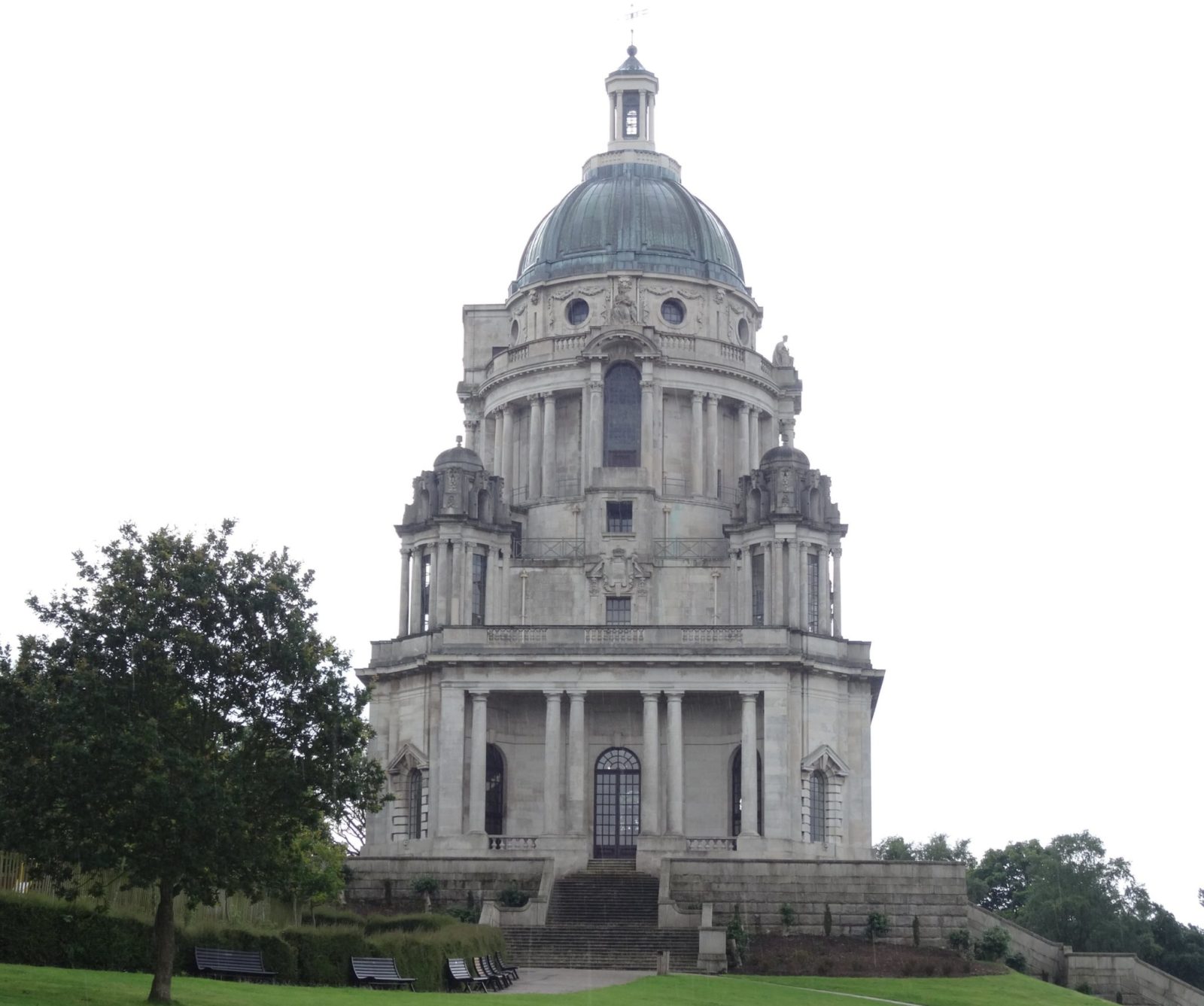

Ashton Memorial:
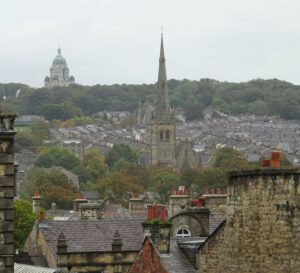
Ashton Memorial is situated in Williamson Park, Lancaster, and is visible for miles around.
The park is one of the most important and impressive locations within Lancaster.
This imposing structure is one of the largest follies in Britain.
It can be seen quite clearly from across the bay as well as from the M6 motorway.
The memorial was built by James Williamson (later Lord Ashton) in memory of his second wife between 1907 and 1909.
Within a decade of completion, the memorial was beginning to show significant damage and was in need of urgent repair.
Rainwater had begun to seep into the structure and was affecting the concrete causing it to crack, leading to the steel within the building beginning to rust.
Lord Ashton provided additional funding so that repairs could be undertaken.
The Williamson family were local factory owners who made their fortune manufacturing oilcloth and linoleum in Lancaster.
By 1911, they employed almost a quarter of Lancaster’s working men.
Like most industrialists of that time, the family contributed to several worthy causes in and around Lancaster.
The park was founded in the 1870s by James Williamson Snr, who tasked John Maclean to create a plan to include impressive landscapes and gardens.
Sadly, he never saw his vision completed but his dream lived on through his son, Lord Ashton, who completed the park.
He donated the park to Lancaster Corporation in 1881 and it was formally opened to the public in 1896.
Additionally, the family wanted to give more back to Lancaster and new buildings such as the new Town Hall, improvements to Dalton Square, and laying the Lune Bank Gardens (Skerton Park) on the north bank of the River Lune all benefitted from their gifts.
For anyone visiting Lancaster, Williamson Park is well worth a visit, especially on a clear day for the views.
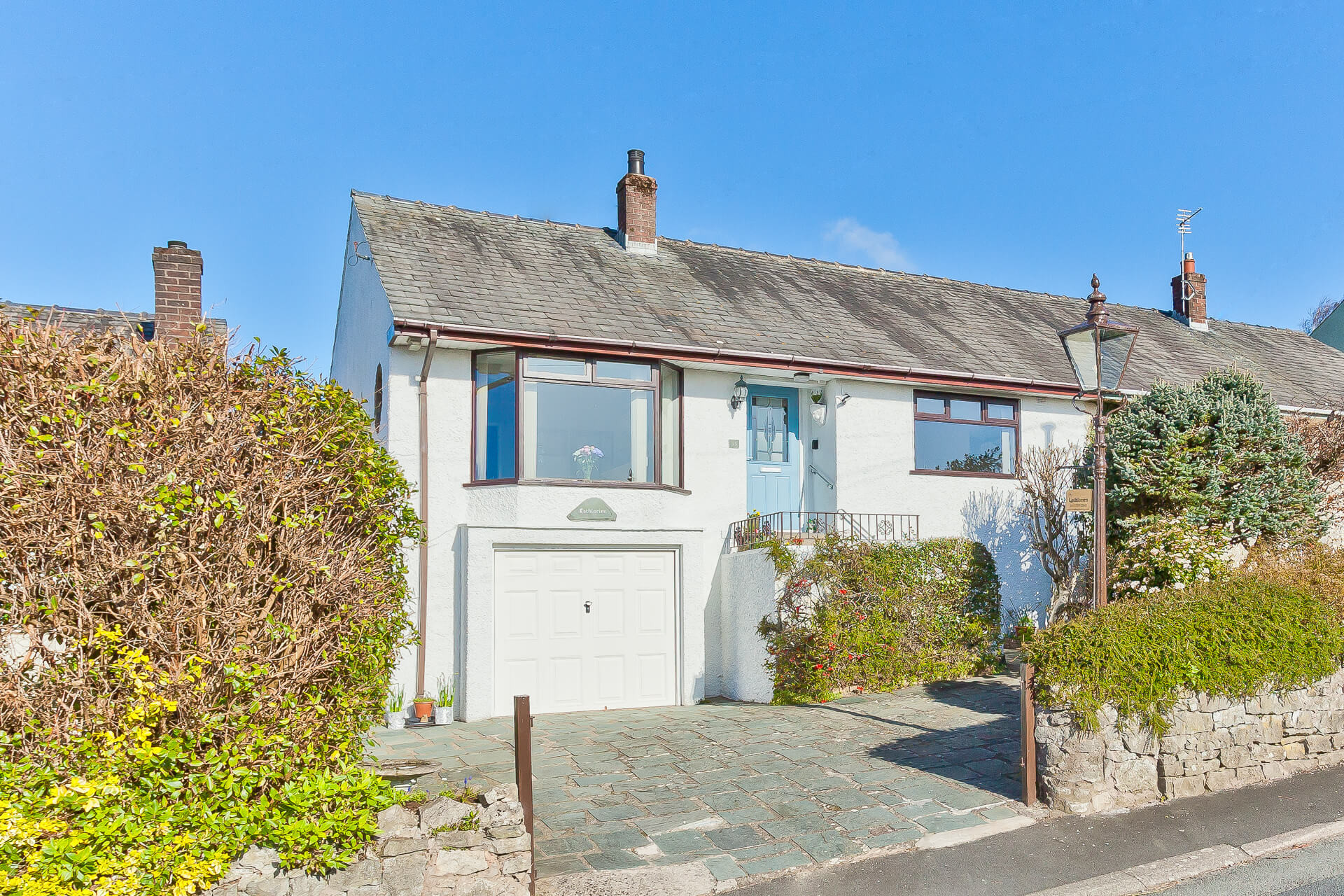
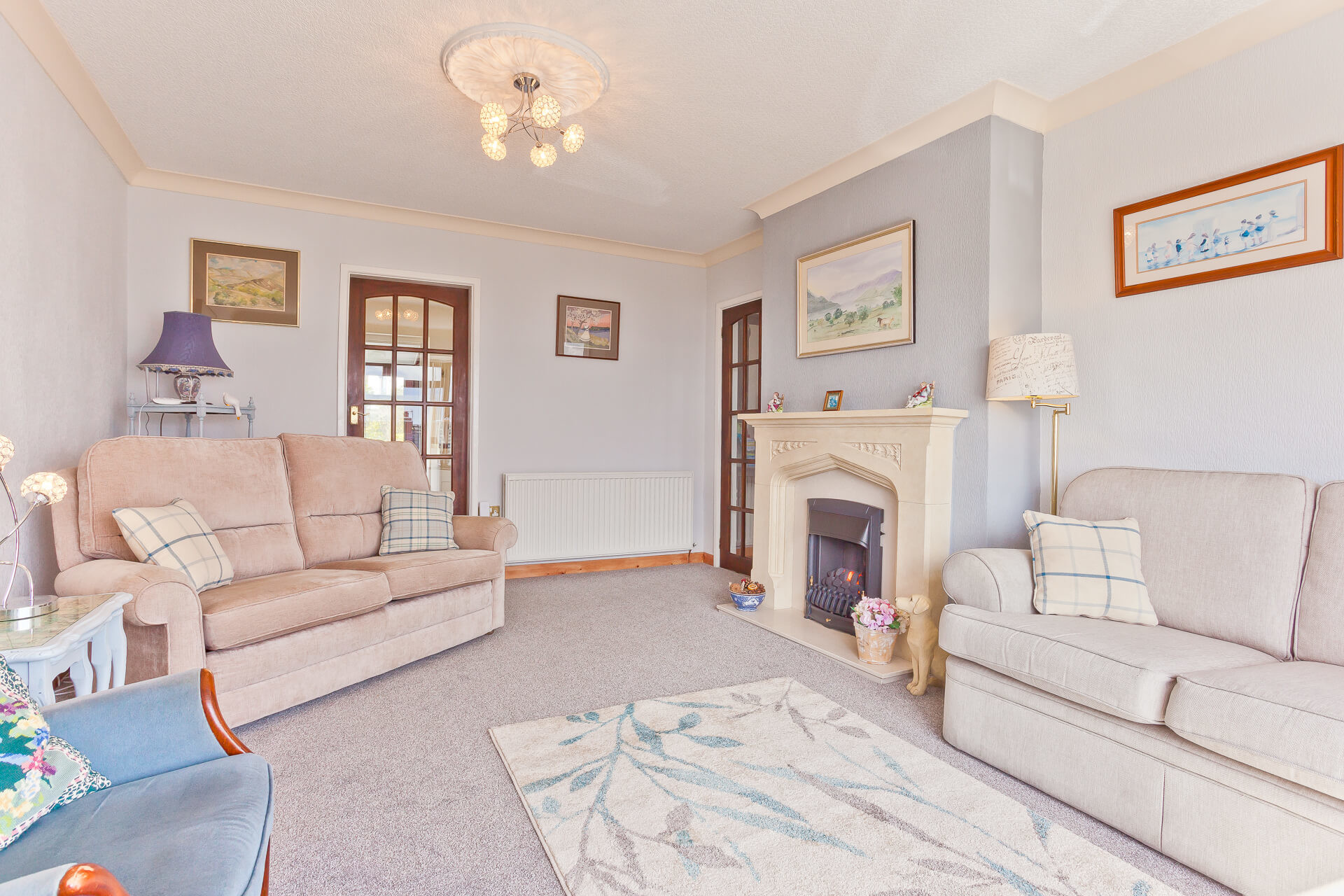
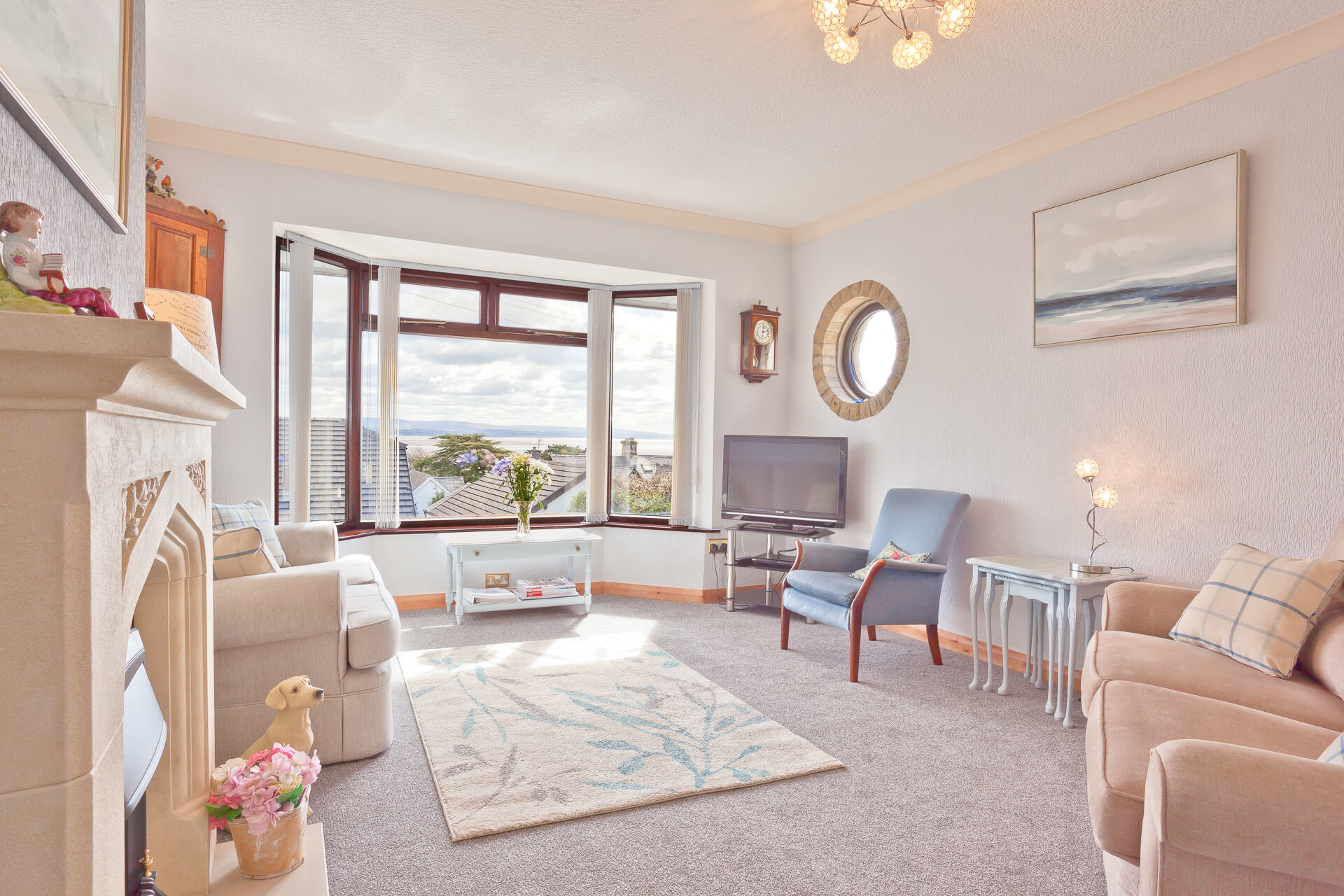
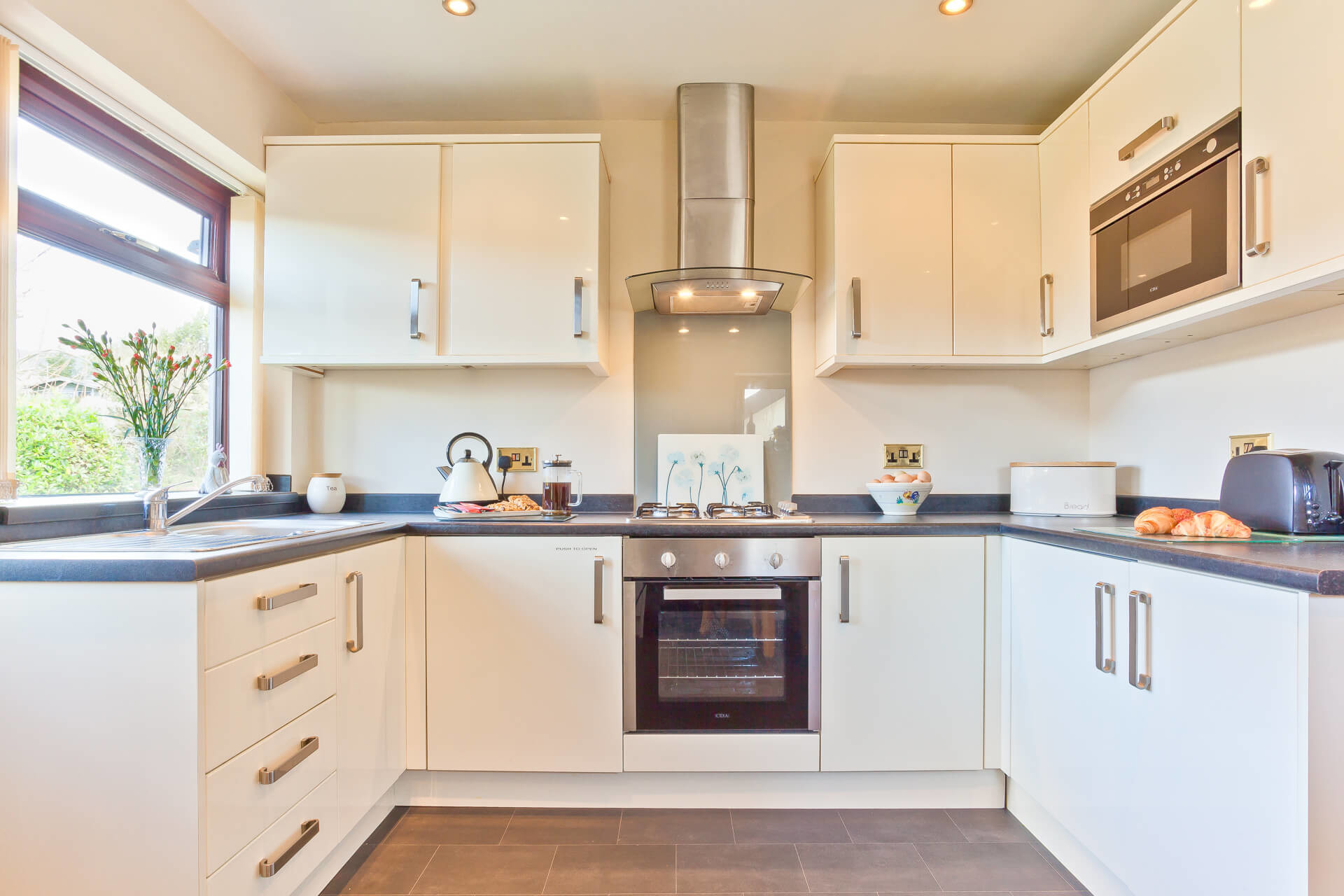
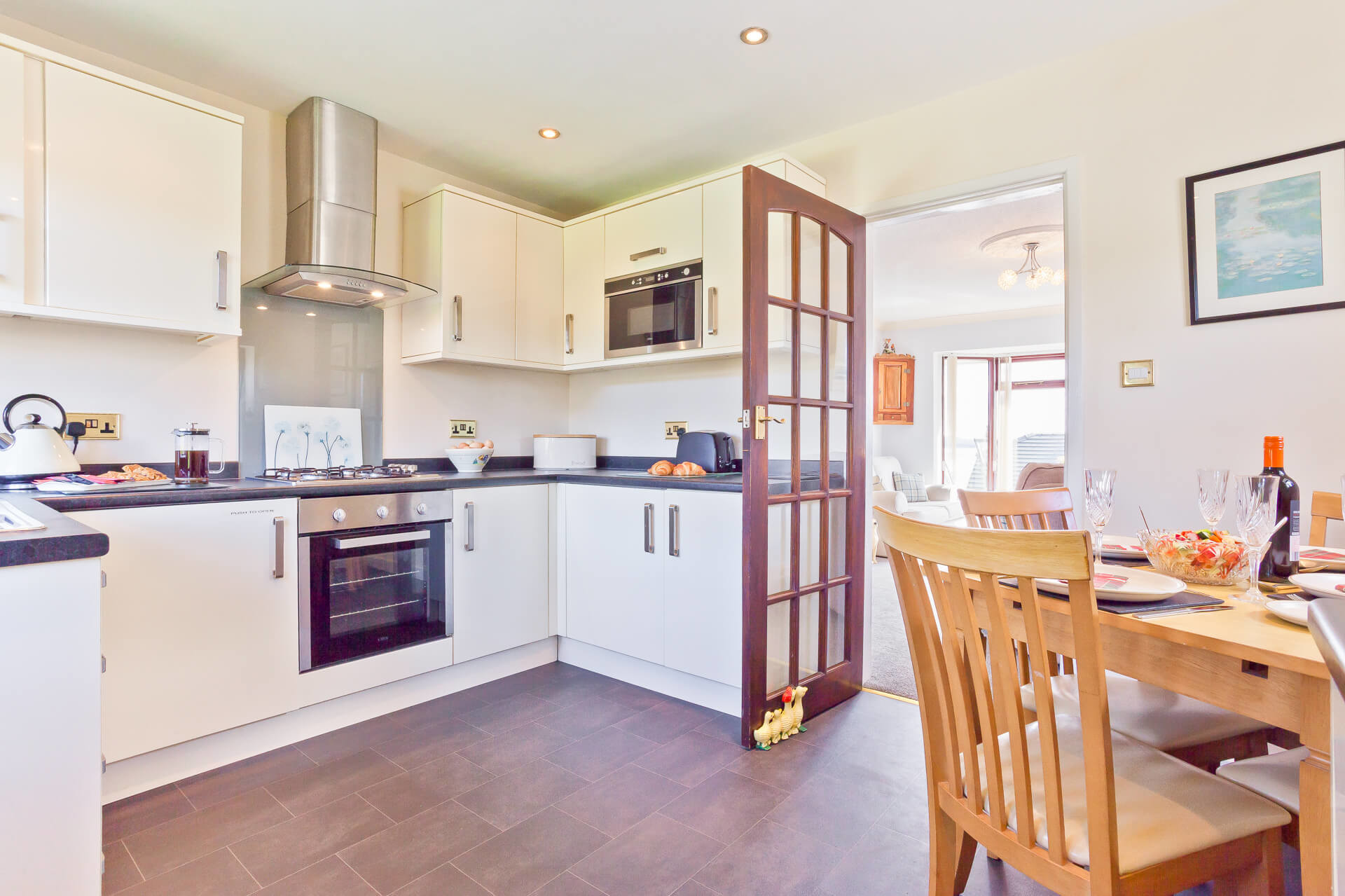
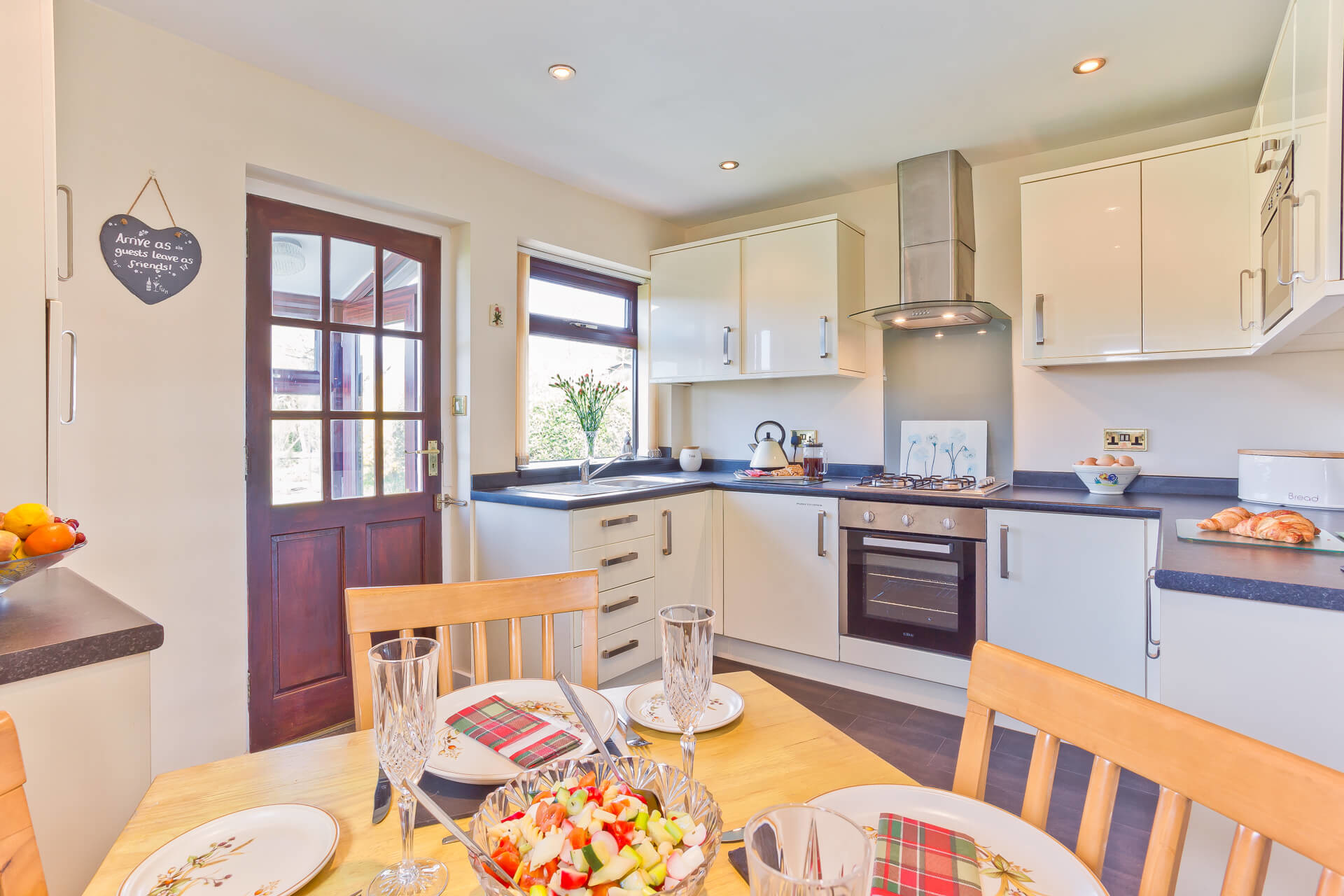
If you are looking for a holiday cottage within easy reach of Lancaster enquire here. Lothlorien, our self-catering holiday cottage in Grange-over-Sands has easy access to Lancaster.