Kirkhead Cave

Kirkhead Cave

Kirkhead Cave: Unearthing Cumbria’s Ancient Past

Long before the Lake District became the landscape we know today, early humans were already exploring its rugged terrain. As the last Ice Age retreated, the first settlers began moving north into what is now Cumbria—leaving behind traces of their lives that still fascinate archaeologists.

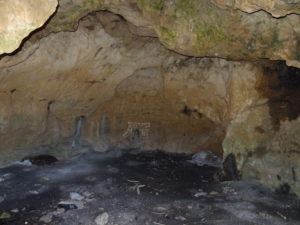
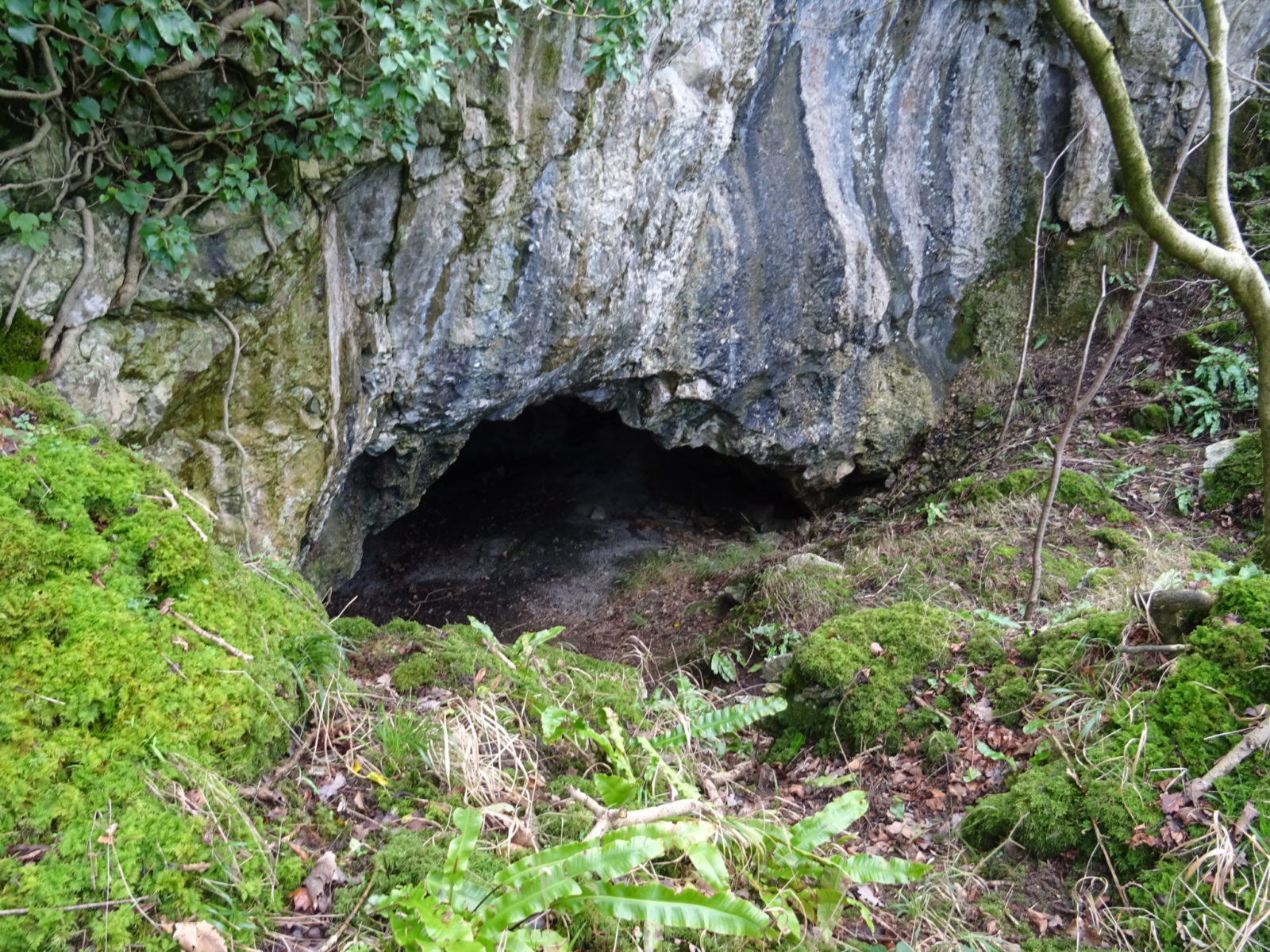
One of the most remarkable places to uncover these early stories is Kirkhead Cave, hidden within the limestone scenery of southern Cumbria. Located in the Parish of Allithwaite near Grange-over-Sands, it is one of only three known Palaeolithic caves in Cumbria, making it a rare and important archaeological site.

A Window Into the Palaeolithic Era

Palaeolithic caves and rock shelters offer some of the earliest evidence of human presence in Britain, with finds dating from roughly 400,000 to 10,000 years ago. Kirkhead Cave is especially significant: among the discoveries made here is the oldest known human bone from northern Britain.

A fragment of a human leg bone found in the cave was radiocarbon-dated to just over 10,000 years old, placing it shortly after the last Ice Age. This remarkable find provides a direct link to some of the region’s first inhabitants

Kirkhead Cave

Excavations Through the Centuries

Kirkhead Cave has attracted archaeological interest since the 1860s. Early excavations uncovered:

  • A human skull fragment was discovered four feet below the surface

  • Another human bone was found at a depth of seven feet

  • Water-rolled pebbles, evidence of ancient geological activity

As digging continued, further layers revealed a mixture of human and animal remains, including fox, wildcat, pig, red deer, and wild boar. Scattered charcoal, burnt sticks, and ash suggested the cave served as a shelter or dwelling during multiple periods of early occupation.

Notably, charcoal was even found beneath a layer of stalagmite—proof of fire use long before mineral deposits formed over the cave floor.

Other discoveries included:

  • A fragment of ancient pottery

  • A Roman coin from the reign of Emperor Domitian

  • A piece of an axe

  • Two stone tools resembling those found in early British bone caves

  • Animal bones that had been cut or shaped by human hands

  • A pig’s metatarsal bone modified into a whistle, identified by Professor Busk

  • Remains of horse, cattle, and even elk

These finds indicate that Kirkhead Cave was occupied repeatedly, from prehistoric times right through to the Roman era.

Visit Kirkhead Cave from Kents Bank

For those keen to explore this extraordinary site, Kirkhead Cave is within easy reach of Kents Bank near Grange-over-Sands. Staying locally allows visitors to enjoy both the coast and the remarkable archaeology of the surrounding area.

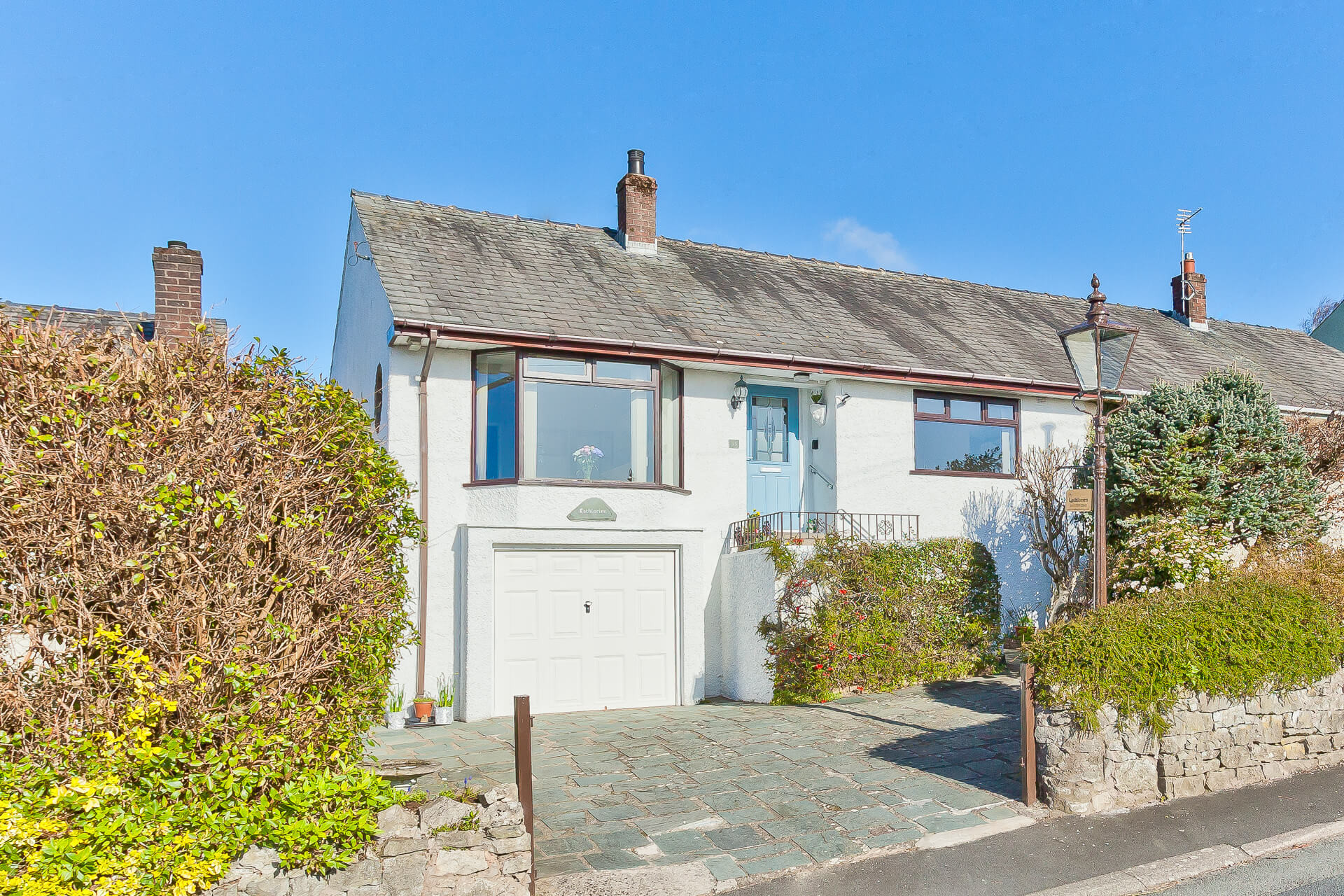
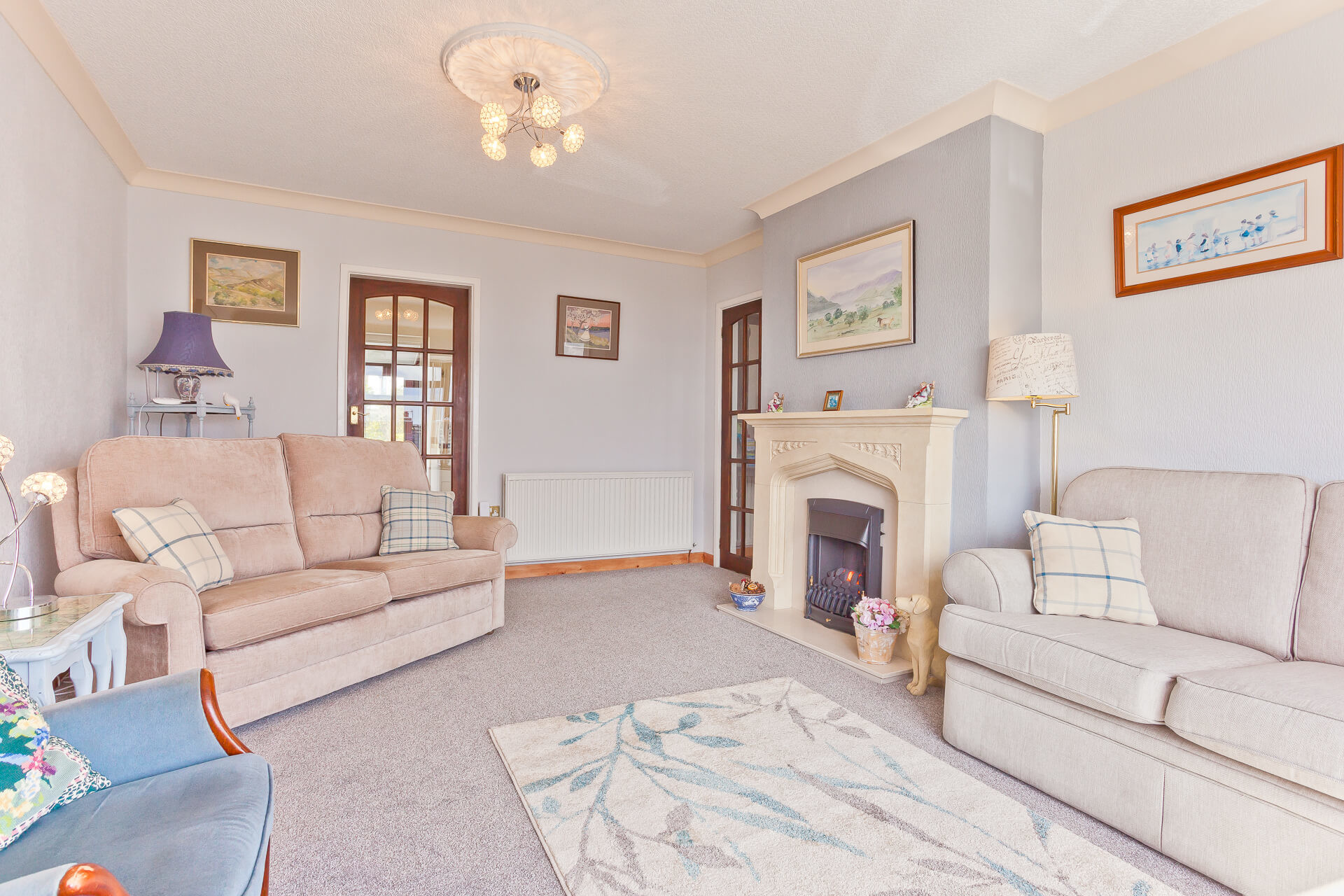
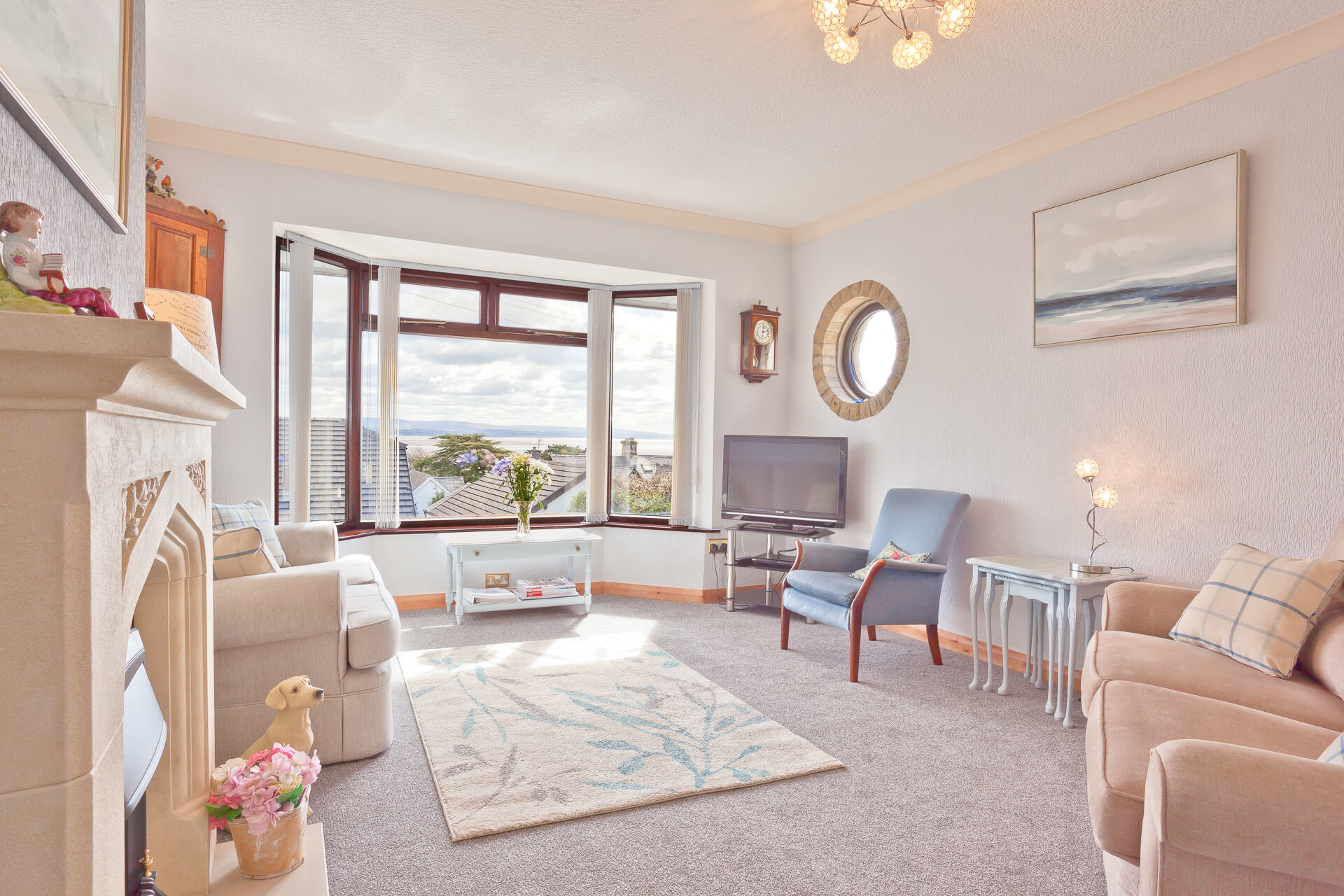
Lothlorien Holiday Cottage in Kents Bank offers an ideal base for anyone wishing to discover Kirkhead Cave and delve into the deep history of the Lake District.

If you are interested in staying at Lothlorien in Kents Bank, Grange-over-Sands, TEL: 07785944194 or enquire here.


How to Book Lothlorien Holiday Cottage

Booking Lothlorien Holiday Cottage is quick and simple. Just visit our website at kentsbankholiday.co.uk or give us a call on 07785944194. We’re always happy to answer your questions and help you find the perfect dates for your stay. Our friendly team makes the whole process easy, so you can focus on looking forward to your relaxing holiday in the Lake District.

Frequently Asked Questions (FAQ)

1. What is Kirkhead Cave, and why is it significant?
Kirkhead Cave is one of only three known Palaeolithic caves in Cumbria, located near Grange-over-Sands. It is nationally important due to archaeological discoveries, including the oldest known human bone found in northern Britain, dating back over 10,000 years.

2. What discoveries have been made at Kirkhead Cave?
Archaeologists have found a human leg bone fragment, bones of animals like elk and cattle, and evidence of tool use. These finds date to the end of the last Ice Age and suggest that humans lived or sheltered here during that time.

3. Can the public visit Kirkhead Cave?
The cave is on private land, and public access is not guaranteed. Visitors should always seek permission from the landowner before approaching the site.

4. What is the current status of Kirkhead Cave and its surroundings?
As of 2023, the land, including Kirkhead Cave and the surrounding woodland, was put up for sale. The area is considered of archaeological and historical interest.

5. Is Kirkhead Cave connected to Kirkhead Tower?
Yes, both Kirkhead Cave and Kirkhead Tower are located on Kirkhead Hill. While the tower is a 19th-century structure, the cave has much older roots, dating back to the Ice Age. Together, they make the hill an interesting mix of natural and historical heritage.

Further Reading

Cumbria Rocks by Ian Jackson.

Kirkhead Cave

Cumbria Rocks is a beautifully illustrated guide that unveils the geological wonders of Cumbria through 60 remarkable sites. Authored by geologist Ian Jackson, the book journeys across 500 million years of Earth’s history, connecting the county’s diverse rock formations to its wildlife, history, economy, and culture.

To purchase the book, click here.

Kirkhead Cave

We invite you to stay at Lothlorien

Check our availability

Relax and unwind. Check out our availability and book online today.

Share This

next
Availability
January 30th
3 nights

Telephone: 07785944194